Tajonal
Viguiera dentata · Asteraceae
The most important flower in Yucatecan beekeeping. Blooms in autumn-winter and gives the honey its warm, slightly bitter notes — the character of the year-end harvests.
The Bees
Two species. One land. A flavor that cannot be manufactured.
The Bees
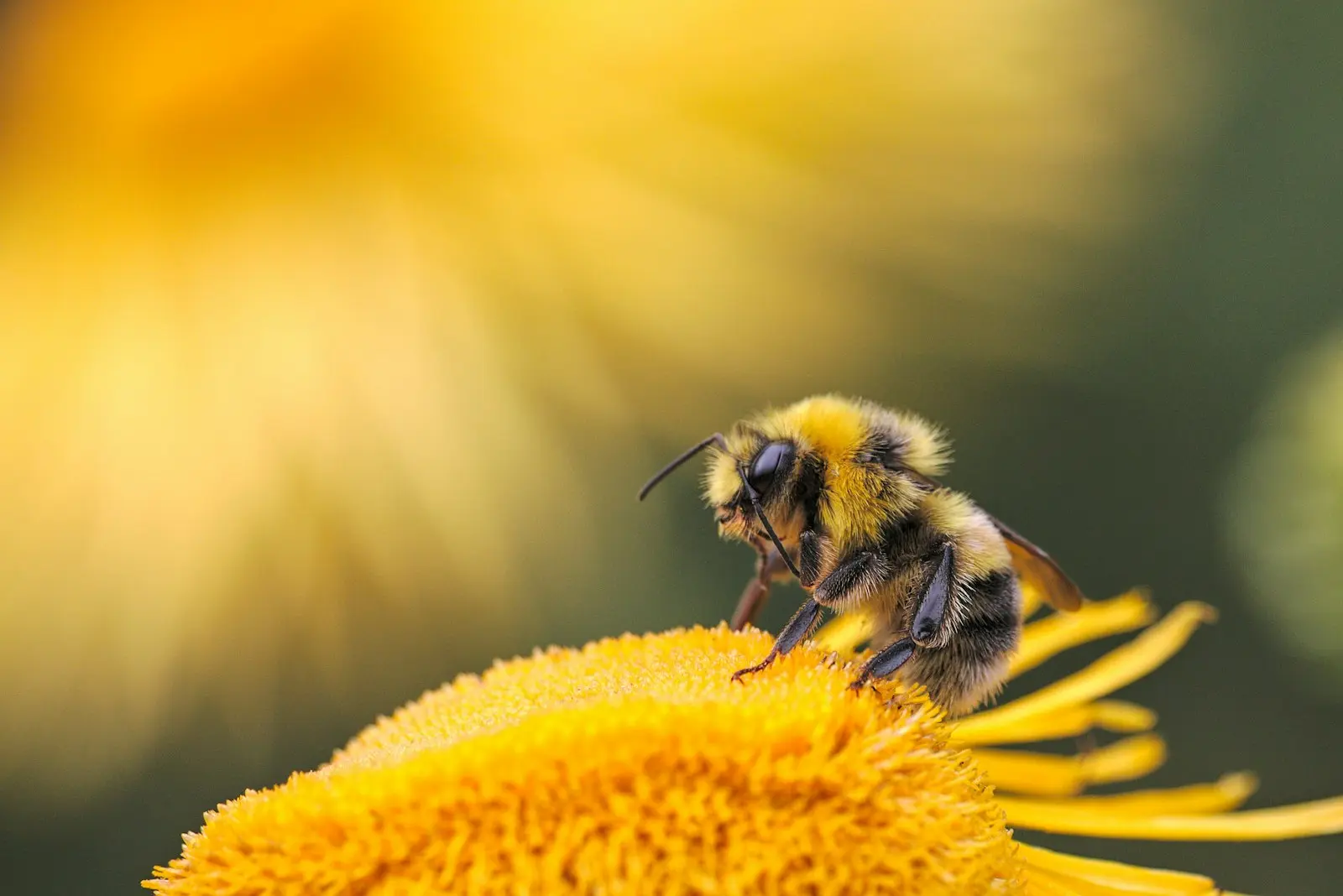
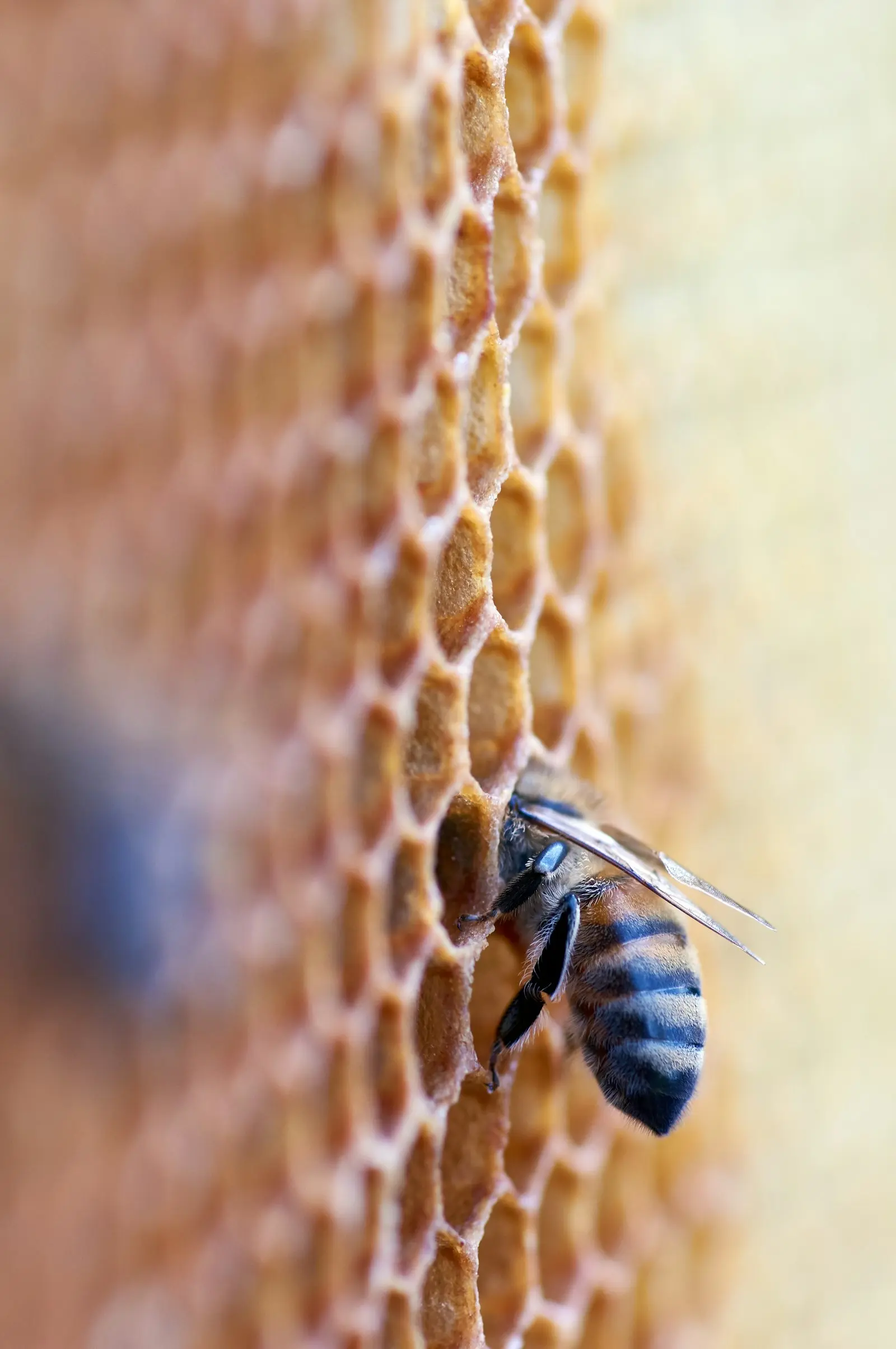
In Ticimul, two distinct beekeeping worlds coexist. The Meliponas — native stingless bees, domesticated by the Maya over 3,000 years ago — and Italian-African bees, introduced in the 20th century, more productive but equally dependent on local flora.
Each species produces a different honey. The melipona is darker, more acidic, almost medicinal. The Italian-African variety is softer and more floral. At Pueblo Miel we work with both — respecting the rhythms of each hive.
A single bee produces 1/12 of a teaspoon in its lifetime. We only harvest the surplus.
The Origin
Ticimul is a small town in the heart of the Yucatán Peninsula. Its Maya name means “place of the hummingbird.” It is no accident that bees chose it.
The low deciduous forest surrounding the town harbors endemic flora species found nowhere else in the world. Each flowering season — and there are several per year — produces a different nectar, with a unique flavor profile.
Where beekeeping is generational heritage, not industry.
Wild Flora
Each species blooms in a different season. The bees collect nectar from all of them — creating a flavor profile that changes with every harvest.
Viguiera dentata · Asteraceae
The most important flower in Yucatecan beekeeping. Blooms in autumn-winter and gives the honey its warm, slightly bitter notes — the character of the year-end harvests.
Gymnopodium floribundum · Polygonaceae
Endemic shrub of the Yucatán Peninsula. Its small white flowers produce one of the most abundant and prized nectars. Contributes delicate sweetness and clean floral notes.
Piscidia piscipula · Fabaceae
Native tree that blooms at the start of the dry season. Its pink and white flowers attract thousands of bees. Adds depth and a subtle herbal note to the transition honey.
The Harvest
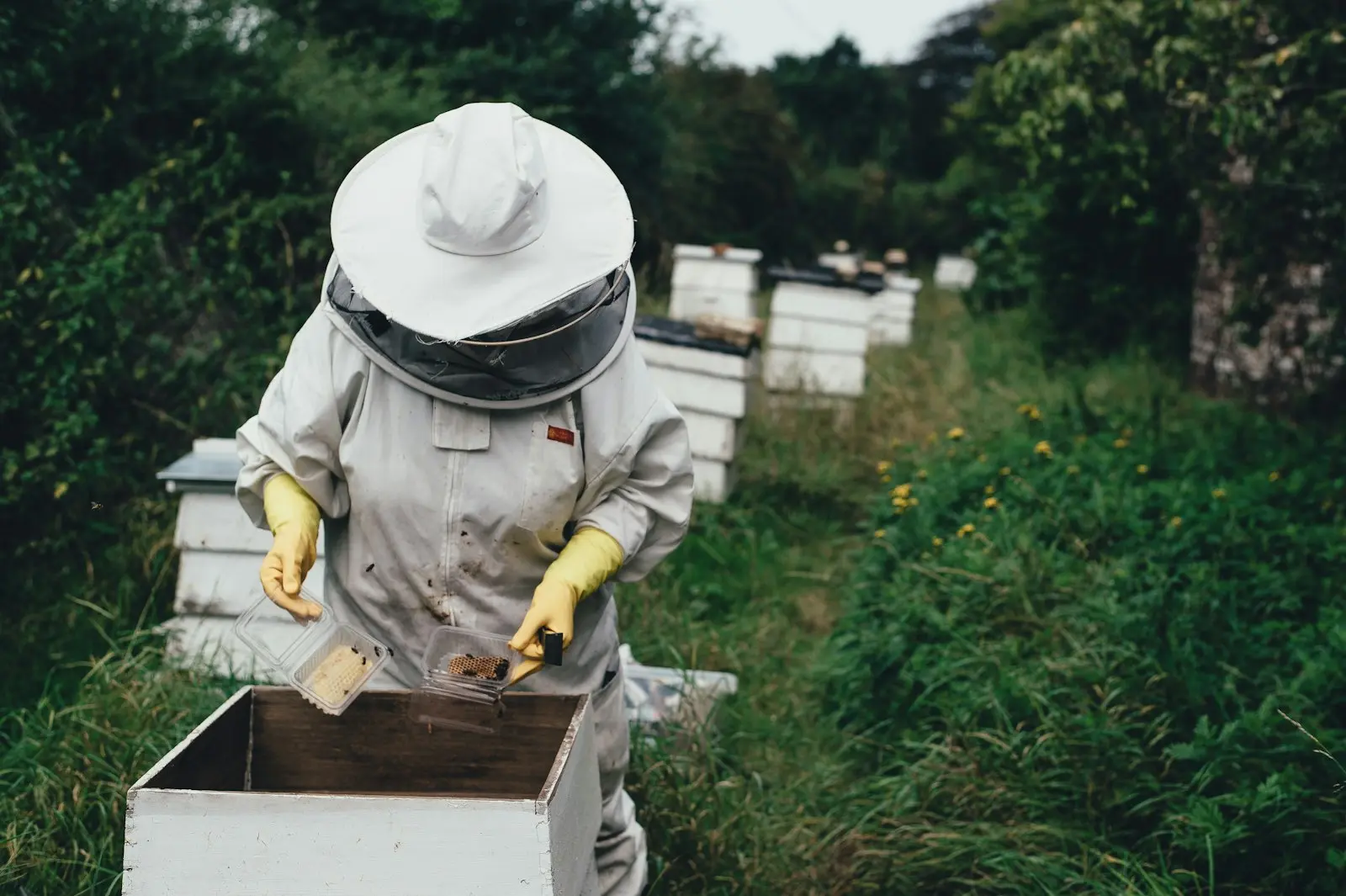
At Pueblo Miel we don't force production. We wait for the hives to have a real surplus — the honey the bees no longer need for their own nourishment. Only then do we harvest.
Once harvested, the honey is cold-filtered — no heat, no pressure — to remove wax and impurities while preserving pollen, propolis, and all natural enzymes. It's bottled at room temperature and reaches you exactly as it left the hive.
Responsible Beekeeping
It's the question that guides our ethics. At Pueblo Miel we practice surplus beekeeping. We only take what the hive has produced beyond its own reserve needs.
Health first
We use no antibiotics or pesticides. We strengthen the colony's immune system through strategic placement among wildflowers.
Natural Cycles
We respect rest periods. We don't force production or feed with industrial sugar syrups.
Free Territory
Our hives are located in protected reserve areas, far from intensive agriculture and urban noise.
Pueblo Miel
Three harvests — Ticimul, Yucatán · April–May 2026